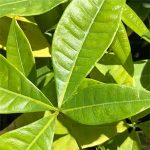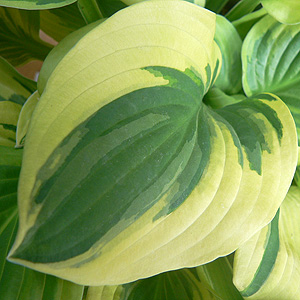
Grown for the lush and colorful foliage, Hostas are a favorite plant for the shade garden. They grow well in containers, and if you can keep the slugs and snails away are a low maintenance plant.
Having been in cultivation for 100s of year many varieties are available, however care for these shade loving perennials is fairly standard.
Like any plant, with a little extra care, soil preparation and some basic maintenance Hostas will reward you for the effort with dazzling foliage from spring through summer.
Dividing Hosta Plants, or any plant is a great way to increase the number of plants for your own garden and improve flowering. Dividing Hostas is also part of basic care, and once divided with proper care you will have great new plants that can give to friend, it will also give them a new lease of life.
Although Hosta Plants are grown mainly for the foliage although they do have attractive flowers in the spring.
Care
One of the big mistakes gardeners make with hostas is the amount of shade they are given. Really deep shade will limit growth, in fact many types are best grown good morning sun to make the most of the foliage colors. All hostas require protection from the hot afternoon sun, even in cooler climates.
Basic hosta growing conditions include :
- Providing a shaded environment.
- A humus rich moist soil .
- A slightly acidic soil.
- Protection form hot sun.
- Protection from slugs and snails.
Maintenance is limited to removal of the old dead foliage in fall to winter. This annual ‘cleaning up’ helps prevent disease and removes the hiding place for those slugs and snails that cause problems.
One trick with preventing the foliage damage is to spread vermicast from a worm composter around the plants. Slugs and snails do not like it, it also provides great nutrition for the plants.
Growing Hostas in Containers.
Hostas grow well in pots and containers but as they are a fairly ‘hungry plant’ they do require a fair amount of fertilizer. We use both a slow release general purpose fertilizer as well as a liquid type, usually a seaweed, fish emulsion or a worm casting ‘liquid tea’.
Every 3 – 4 years you will need to divide potted plants as they mature. This renews the growing medium and makes room for the plants to regenerate.
How to divide hostas
Although you can leave hostas undivided for a number of years if you want great plants you will need to divide them.
Hostas are best divided every 3-4 years. As they are clump forming and with a tendency to form fairly dense clumps the longer you leave them the more difficult it seems to divide them.
The best time to divide clumps of Hostas is in spring just before they begin to shoot, this will encourage stronger root growth as the soil warms up.
Often Hostas will take a year to get back to full size growth after being divided, however with a little added care after dividing they will bounce back fairly well.
Hostas can also be divided in Fall before the soil gets to cold, this will allow some root growth before winter dormancy.
Hosta Division
- Hostas are best divided by removing the clump from the ground or pot completely. Dig around clumps growing in the ground and lift out, or turn out pots onto a potting bench.
- Soil can be brushed or washed away to make it easier to identify individual crowns.
- Clumps can often be simply pulled apart or you may need to use a clean sharp knife to cut through difficult clumps. Always keep as many of the roots attached to each division as possible.
The Quick Method
In a hurry? just cut the clump up with a sharp spade into 4 parts, and replant, it may cause a little stress but generally they are a tough plant and will survive.
Replanting after dividing
- Use a good quality potting mix or work some well rotted compost and manure into the ground when replanting hostas.
- You will have noticed that the ‘eyes’ of the hosta (the new growing points) are below the soil level, divisions need to be planted at the same depth.
- It is always best to divide and repot or replant in the cool of the day so that roots do not dry out, if you need to leave hostas out of the soil overnight make sure you wrap then in moist paper to prevent drying.
- We suggest watering in well with a ‘tea’ made from worm castings, or use a weak liquid seaweed fertilizer, this tends to encourage healthy new root growth. Keep moist through the first summer.
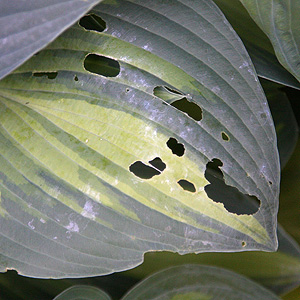
Hosta slug damage
Pests and problems
The main pests associated with hostas are slugs and snails, which tend to find the leaves to be a very attractive meal.
Hosta plants can have the old foliage removed once it has died back, this removes a hiding place for snails and slugs and also helps prevent disease.
With a move away from chemical control the alternatives to damaged foliage are slug resistent varieties and other control methods.
Some hostas seem to be more resistant to slug and snail attack than others, and as you would suspect it is those with thick tough leaves that show the most resistance. The two best are Hosta ‘Sum and Substance’ and Hosta. sieboliana var elegens, however they can still come under attack.
Control methods include :
- Copper tape around pots
- Beer traps
- Newspaper traps
- Midnight ‘slug and snail’ catching expeditions
- Surrounding plants with gravel so snails will not crawl over it.
- Pine needle mulch
- With all of these methods it is best to start before the new foliage emerges. Remove the slugs before they get a chance to start feeding.
If none of these methods work, you could always buy some geese, they love eating snails and slugs.
Although these hardy plants grow well in USDA Zones 3 -9 they are most popular in the following states :
Wisconsin, Minnesota, Iowa, Maine, Indiana,Vermont, New Hampshire, Michigan, Massachusetts and Connecticut.